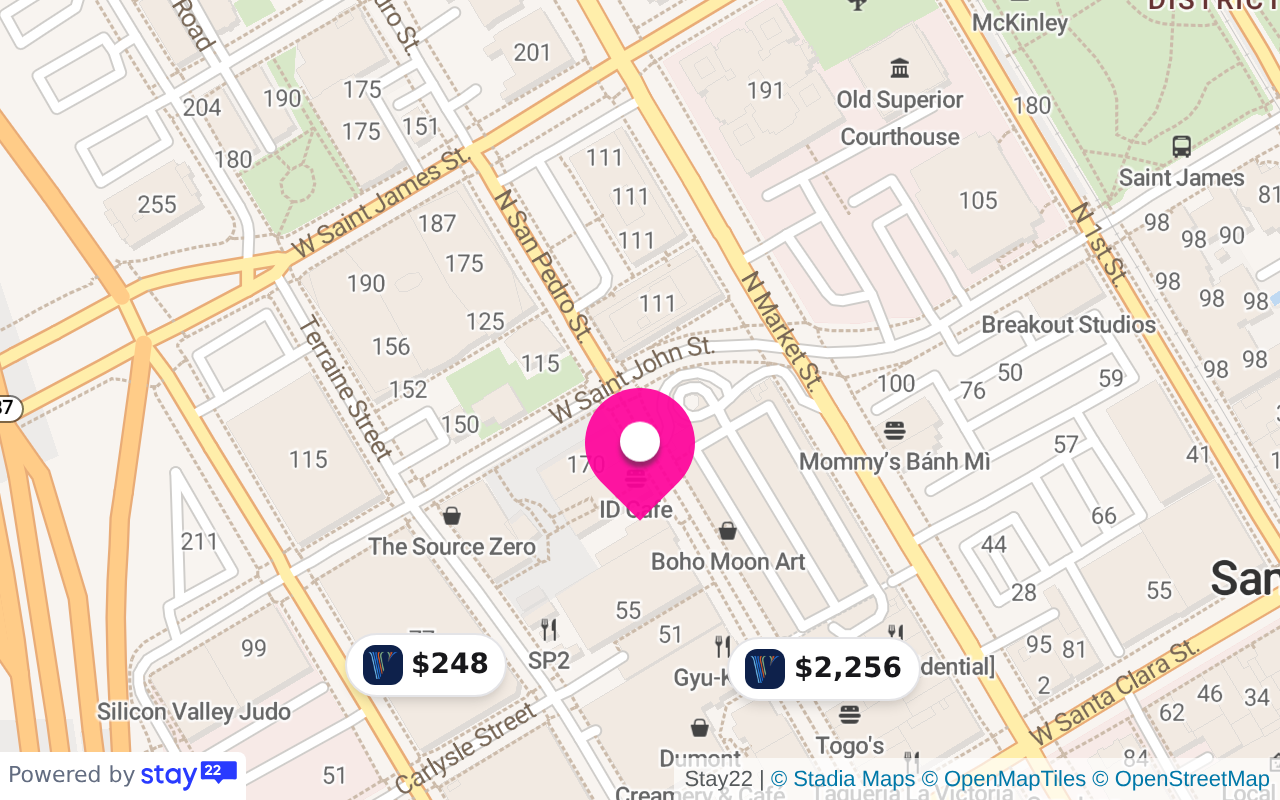
San Jose is easy to underestimate if you browse it only as a downtown sightseeing stop. The more interesting way to plan a visit is to think in layers: a compact group of activities you can do in the city itself, a wider Silicon Valley ring that includes Santa Clara, Milpitas, Palo Alto, and Redwood City, and a set of ambitious full-day excursions that use San Jose as a base for Yosemite, Lake Tahoe, Sequoia National Park, Napa and Sonoma, or the Central Coast. That mix gives travelers much more variety than a simple list of landmarks.
This guide focuses on bookable experiences currently represented on GetYourGuide, with the strongest emphasis on activities that either take place in San Jose, start there, or sit close enough in Silicon Valley to be a realistic addition to a San Jose trip. Farther-away options are separated into their own section so you can see the transportation trade-off before you get excited about the activity itself. That distinction matters here: a two-hour cooking class near your base and a fifteen-hour national-park excursion are both “things to do,” but they belong in very different kinds of itineraries.
If this is your first visit and you want a balanced weekend, a good starting formula is one distinctly local activity, one Silicon Valley outing, and one evening or indoor experience. Add a long national-park or wine-country day only if you have enough time to recover from the driving. Families can build around LEGOLAND Discovery Center Bay Area, California’s Great America, or an escape room; couples may prefer a mosaic workshop, cooking class, or wine-country day; sports fans can look at the Sharks or 49ers schedule; and travelers who came to Northern California for scenery can compare Yosemite, Tahoe, Sequoia, surfing, and whale watching.
For a broader live view beyond the 26 activities below, you can browse current GetYourGuide options for your travel dates. Schedules, prices, availability, seasonal operating details, and cancellation terms can change, so the live product calendar should always be the final check before you build a day around an activity.
Quick Picks: Where to Start
If you do not want to read the entire guide before making a shortlist, these quick picks cover the most useful traveler types. They are starting points for different kinds of trips, not an order you need to follow.
- Best big scenery day: Yosemite National Park and Giant Sequoias Trip if you are prepared for a very long day.
- Best easy rainy-day choice: The Escape Game at Valley Fair for a one-hour indoor activity.
- Best creative date idea: Turkish Mosaic Lamp Workshop.
- Best local sports night: San Jose Sharks Ice Hockey Game Ticket at SAP Center.
- Best family theme-park day: California’s Great America Admission Ticket in Santa Clara.
- Best younger-kids indoor option: LEGOLAND Discovery Center Bay Area in Milpitas.
- Best Silicon Valley context: Stanford University Guided Walking Tour with Student.
- Best flexible private Silicon Valley outing: Palo Alto Silicon Valley Private Tour with Pickup.
- Best wine-country format for a small party: Small Group Napa & Sonoma Valley Wine Tour.
- Best coastal wildlife choice: Monterey Whale Watching Tour with a Marine Guide if you are willing to travel south to Monterey.
Local San Jose Experiences: Easy to Add to a City Stay
These first nine choices are the easiest to combine with a San Jose-centered itinerary. They range from a one-hour ghost walk and escape room to hands-on creative workshops, cooking classes, and an NHL game. For a short stay, this is usually where to begin because you can add one of these without committing an entire day to highway travel.
1. San Jose Ghost Tour: The Scythe, Sacrifice, & Silhouette
At a glance
- About 1 hour
- Nighttime walking-tour format
- Takes place in San Jose
- Best for: adults, couples, solo travelers, and visitors who like local stories
This is one of the simplest ways to add a guided experience to a San Jose evening without sacrificing a full sightseeing day. The current listing is presented as a one-hour ghost tour, so the appeal is less about covering a huge geographic area and more about hearing darker local stories while walking through part of the city after daytime attractions have closed. It can work particularly well on an arrival day, after dinner, or as a second activity following a museum, shopping stop, or Silicon Valley outing.
Ghost tours are best enjoyed by travelers who like atmosphere and storytelling rather than visitors expecting a conventional architecture or history lecture. The title itself signals a theatrical, macabre angle, and that is the right expectation to bring. Because it is a walking experience, shoes and weather matter more than they would for an indoor class. San Jose evenings are often comfortable, but the live listing should be checked for the current meeting instructions, route, accessibility details, and any age guidance before booking.
Compared with the Sharks game or an escape room, this is the least structured local evening option. You are not tied to an arena schedule, and you do not need a team large enough to solve puzzles. It is also a useful contrast to Silicon Valley’s technology-heavy identity: instead of campuses and corporate landmarks, you get a story-led look at the city itself. If your priority is a quiet creative date, the mosaic lamp workshop will probably fit better; if you want a short guided walk with a darker personality, this is the more distinctive choice.
2. San Jose: Mosaic Candle Workshop
At a glance
- About 1 hour
- Indoor creative workshop
- Current listing is based in San Jose
- Best for: couples, friends, solo travelers, and small celebrations
A one-hour candle workshop is a useful option when you want an activity that feels more personal than simply buying a souvenir. The current GetYourGuide listing centers on making a candle in a mosaic holder, with guidance and the basic materials needed for the project. That makes it easy to understand what you are paying for: time with an instructor, the process of creating something, and a finished item to take away rather than a passive attraction visit.
The short duration is a major advantage. It can sit between lunch and dinner, fill a rainy afternoon, or become a low-pressure date activity before you move on to Santana Row, downtown, or another evening plan. It also works for travelers who do not want a physically demanding tour. The trade-off is that this is deliberately narrow in scope; it is not a sightseeing introduction to San Jose, and you will not learn the city by doing it. Treat it as an experience within the trip rather than the trip’s main sightseeing event.
When comparing this with the Turkish mosaic lamp workshop, think about how much time you want to spend and what you would rather bring home. The candle session is currently listed at roughly half the duration of the lamp workshop, so it suits tighter schedules. The lamp class gives you a longer craft process and a more elaborate finished object. Either can be a smart rainy-day backup because the experience is indoors, but verify the live start time and exact meeting details before building other reservations around it.
3. San Jose: Turkish Mosaic Lamp Workshop
At a glance
- About 2 hours
- Indoor, beginner-friendly craft workshop
- Current meeting point is on North Market Street in San Jose
- Best for: dates, friends, solo crafters, birthdays, and team activities
The Turkish mosaic lamp workshop is one of the more visually memorable indoor activities in the current San Jose inventory. The product page describes a beginner-friendly session using colorful mosaic glass and beads to create a lamp, with step-by-step instruction and materials provided. The current meeting information places the workshop at 255 N Market Street in San Jose, which makes it much more genuinely local than the broader Bay Area wording used in some marketplace descriptions.
Two hours is enough time for this to feel like an activity in its own right rather than a quick craft stop. That makes it a good candidate for a date afternoon, a relaxed weekend slot, or a break from tech campuses and long-distance driving. It also has a clear advantage when the weather turns wet or hot because you are indoors and focused on a hands-on project. The experience requires patience and close-up work rather than physical fitness, so it serves a very different traveler than surfing, paddleboarding, or a national-park day trip.
The current listing mentions a range of glass colors and design patterns, plus tea, coffee, snacks, and water. Those small social touches are part of why this can work for couples or groups who want to talk while doing something rather than simply sit through a performance. If you are flying home with limited luggage, consider the practical side of carrying the finished lamp. For a shorter, easier-to-pack creative option, the mosaic candle workshop may be the better fit.
4. San Jose: Chinese Cooking Class (Includes 3-Course Meal)
At a glance
- About 2 hours
- Small-group cooking class
- Three-course meal is part of the current product title and listing
- Best for: food lovers, couples, friends, and travelers who prefer indoor experiences
For travelers who would rather make dinner than simply reserve a table, this Chinese cooking class offers a more participatory evening. The current San Jose listing is a two-hour small-group experience built around a three-course meal. GetYourGuide’s current destination description presents it as a hands-on class with Chef Parsati and a California-influenced Chinese menu, giving the experience a clear cooking-and-eating rhythm instead of functioning like a demonstration you only watch.
The present description highlights bold ingredients such as ginger, garlic, sesame oil, soy sauce, fresh herbs, and vegetables, then moves through a multi-course preparation. That makes the class especially appealing if your group enjoys learning kitchen techniques together. It is also one of the more practical choices for a rainy day because the activity is indoors and does not depend on mountain roads, ocean conditions, or a sports schedule. At roughly two hours, it can still leave room for another activity earlier in the day.
Because menus, dietary accommodations, alcohol policies, and ingredient availability can be more important here than on a conventional sightseeing tour, read the live listing before booking if anyone in your party has allergies, restrictions, or strong preferences. The current San Jose page notes that guests may bring wine or beer, but that is exactly the kind of operational detail worth reconfirming for your date. If Chinese flavors are not your preference, the same San Jose inventory also includes sushi, Indian, and vegan-focused classes, making this less about finding “the best” class and more about choosing the food experience your group will actually enjoy.
5. San Jose: Sushi Making Class (Includes 3-Course Meal)
At a glance
- About 2 hours
- Small-group class
- Three-course meal included in the current listing title
- Best for: couples, friends, and travelers who want a food-centered activity
The sushi-making class is a useful alternative for travelers who like the social side of a cooking class but want a more technique-focused format. The current GetYourGuide San Jose inventory presents it as a two-hour small-group activity with a three-course meal. Even without turning the experience into a full culinary course, the format gives you a reason to slow down, work with your hands, and share the result with the people you are traveling with.
It fits particularly well into a weekend because the time commitment is modest. You can spend the morning at Stanford or around Silicon Valley, return to San Jose, and still have the class as the evening’s anchor. Couples may like it as a date-night activity because there is built-in interaction without the pressure of filling two hours with conversation. Friends and small groups get the opposite benefit: a clear shared project that produces dinner at the end.
The most important practical checks are the live menu, dietary rules, exact class location, and any age or alcohol guidance. Sushi can involve ingredients that raise allergy or raw-fish concerns, so do not assume the menu or substitutions from another class apply here. If your group includes someone who dislikes seafood or raw preparations, the Chinese, Indian, or vegan class may be easier. If everyone specifically wants sushi technique, this is the more focused choice and one of the few current San Jose activities where the experience and the meal are naturally the same event.
6. San Jose: Indian Cooking Class (Includes 4-Course Meal)
At a glance
- About 2 hours
- Small-group cooking class
- Four-course meal included in the current product title
- Best for: travelers who want a fuller meal experience indoors
This Indian cooking class stands out in the San Jose list because the current product is framed around a four-course meal rather than a quick tasting. The listed duration is still about two hours, so it is a compact experience, but the meal-led format makes it substantial enough to replace a normal dinner reservation. For visitors who like learning through food, that can create a more memorable evening than simply moving between conventional attractions.
Because the current San Jose marketplace labels it as a small-group class, the experience should feel more participatory than a large cooking demonstration. The exact menu is the detail to inspect before booking. Indian cooking can span an enormous range of regional styles, spice levels, vegetarian choices, dairy use, and allergens, and the product page for your date is the appropriate place to confirm what will actually be prepared. Travelers with dietary restrictions should contact the provider if the live listing does not answer a specific question.
In itinerary terms, this class works best as the final major activity of the day. You do not need to schedule dinner afterward, and you avoid the fatigue that can come from trying to cram a workshop between two longer tours. It is also weather-proof, making it a good fallback when you decide against an outdoor plan. Compare it with the vegan class if plant-based eating is the priority, or with the sushi class if the group cares more about a specific technique than a broader multi-course meal.
7. San Jose: Vegan Cooking Class (Includes 4-Course Meal)
At a glance
- About 2 hours
- Small-group format
- Four-course vegan meal included in the current listing title
- Best for: plant-based travelers and mixed groups looking for an indoor food activity
The vegan cooking class gives plant-based travelers a bookable San Jose activity that does not require treating dietary preferences as an afterthought. The current listing describes a two-hour small-group class with a four-course meal, so the basic value proposition is straightforward: spend part of the evening learning and preparing food, then eat the meal as part of the experience.
This can be especially useful in a mixed itinerary where one day is packed with driving or outdoor sightseeing. A calm indoor class changes the pace completely and gives you a local evening without more transportation. It is also a practical couples or friends activity because nobody needs to be an expert cook to understand the social appeal of preparing food together. As with every cooking experience, the live page should be checked for the exact menu, allergens, substitutions, age rules, and any bring-your-own-beverage language.
When choosing between the four San Jose cooking classes in this guide, let the group’s real eating preferences drive the decision rather than the number of courses. The vegan and Indian products currently advertise four courses, while the Chinese and sushi listings advertise three. That does not automatically make one better value: the ingredients, techniques, portion structure, and menu matter more than a count. Choose this one when plant-based cooking is part of the reason you want the activity, not merely because it sounds like the biggest meal.
8. San Jose: San Jose Sharks Ice Hockey Game Ticket
At a glance
- About 3 hours
- Event ticket for a Sharks game at SAP Center
- Seasonal and date-dependent
- Best for: sports fans, families with older kids, groups, and solo travelers who enjoy live events
A Sharks game is one of the few activities on this list that instantly anchors you in San Jose rather than treating the city as a launch point for somewhere else. SAP Center sits beside the downtown core and gives a trip an unmistakably local evening, especially when the NHL schedule lines up with your dates. The current GetYourGuide product is presented as a roughly three-hour event experience, which is a useful planning estimate but should not be read as a guaranteed finish time for every game.
This is a different type of purchase from a tour or workshop. The exact game date, opponent, seat allocation, ticket delivery procedure, arena rules, and start time matter much more than a generic description of the activity. Check all of those details before committing to dinner reservations or transportation afterward. If you are particular about where you sit, read the seating information carefully; event-ticket products may not offer the same seat-selection process you would expect from a venue’s primary ticketing flow.
For travelers who are not devoted hockey fans, the appeal is still the arena atmosphere and the chance to do something residents actually build evenings around. It works well after a day at Stanford, downtown, or a workshop because it requires no additional sightseeing energy. Families should check current arena policies and game times, while solo travelers may appreciate that a ticketed sporting event is easy to attend alone. If you want a more predictable one-hour indoor activity, choose an escape room; if you want the bigger crowd experience, the Sharks are the better San Jose night.
9. San Jose: “The Escape Game” Ticket at Valley Fair
At a glance
- About 1 hour of game time
- Indoor escape-room experience at Valley Fair
- Games can accommodate groups; exact capacity varies by room
- Best for: families with older children, friends, couples, and rainy days
The Escape Game at Valley Fair is one of the easiest recommendations when your main constraint is time or weather. The current listing is built around a 60-minute mission and several different themed rooms, with a game guide available to help. You get a defined start and finish, a clear indoor setting, and a team activity that can be slotted between shopping, meals, or sightseeing without turning the day into a logistics project.
The current GetYourGuide description lists multiple game themes, including Gold Rush, Special Ops, The Heist, The Depths, and Timeliner. That variety matters because the room you choose changes the story and difficulty feel. If you are traveling with children, check the current age guidance and whether the game you want is appropriate for the youngest participant. Also read the booking format carefully: some escape-room experiences can combine smaller parties depending on the room and reservation structure.
Compared with the Great Mall location in Milpitas later in this guide, Valley Fair is the better choice if you are already spending time around San Jose and Santa Clara and want to minimize extra travel. The Milpitas branch currently advertises six original games, so it may appeal if a particular theme is more important than location. Either way, an escape room is a strong rainy-day or hot-afternoon fallback because the experience does not depend on outdoor conditions. For a quieter indoor option, the mosaic workshops are less competitive and more conversational.
Nearby Silicon Valley Activities: Santa Clara, Milpitas, Palo Alto, and Redwood City
San Jose sits inside a web of neighboring Silicon Valley cities, so limiting a trip to the municipal boundary can be unnecessarily restrictive. The next seven experiences are outside San Jose proper but close enough to be practical for many visitors. The key is to treat the actual starting location honestly: California’s Great America and Levi’s Stadium are in Santa Clara, LEGOLAND and the second Escape Game are in Milpitas, Stanford is in Palo Alto, and the paddleboard rental is in Redwood City.
10. San Francisco: California’s Great America Admission Ticket
At a glance
- Full-day admission
- Located at California’s Great America in Santa Clara, not San Francisco
- Current ticket includes standard rides; South Bay Shores access is seasonal
- Best for: families, coaster fans, and summer trips
Despite the “San Francisco” wording in the current product title, California’s Great America is physically in Santa Clara at 4701 Great America Parkway, making it a genuinely convenient theme-park day for travelers based in San Jose. The current GetYourGuide ticket covers a single day of admission to the park, with standard rides and attractions included. The product page also lists seasonal access to South Bay Shores waterpark, which can make this a much bigger summer outing than a simple coaster visit.
The park works for mixed-age families because the current listing emphasizes both thrill rides and PLANET SNOOPY attractions. RailBlazer, Gold Striker, and Flight Deck represent the more intense side, while the children’s areas give younger visitors something designed around them. The real planning question is whether your group wants to dedicate most of a day to one attraction. If the answer is yes, this is more coherent than trying to combine several smaller Silicon Valley stops.
There are important practical limits. The current ticket is listed as non-refundable, parking is not included, and park hours and ride operations can change. The product also notes a chaperone policy for younger guests and a cashless resort. Check the live operating calendar because theme parks can have seasonal days, special events, maintenance closures, and changing waterpark schedules. If you are traveling with very young children and want something fully indoors and more compact, LEGOLAND Discovery Center Bay Area in Milpitas is the easier alternative.
11. San Francisco: San Francisco 49ers Football Game Ticket
At a glance
- About 3 hours
- NFL event ticket at Levi’s Stadium in Santa Clara
- Date, opponent, kickoff time, and seating are event-dependent
- Best for: football fans and travelers who want a major live-event atmosphere
Like Great America, the 49ers are a useful reminder that the South Bay’s biggest attractions do not always carry the name of the city where they physically sit. Levi’s Stadium is in Santa Clara, close enough to San Jose that a game can be one of the defining nights of a trip. The current GetYourGuide product is a game-ticket experience rather than a stadium tour, so the value comes from attending a live NFL matchup on a date that fits your stay.
Plan this one around the event, not around a generic three-hour block. NFL games have fixed kickoff times, security procedures, crowd-related arrival needs, and postgame traffic that can stretch the practical commitment beyond the action on the field. The opponent and seat category matter too. Read the live ticket description before booking, particularly if you care about exact sightlines or want to sit with a larger group.
This experience is seasonal by nature and may not exist for your travel dates. If no game lines up, do not force the itinerary; choose a Sharks game at SAP Center if the hockey calendar works, or use the time for a Santa Clara attraction. If a 49ers date does fit, it can be a strong choice for visitors who want one large American sports experience rather than another conventional sightseeing tour. The atmosphere, crowd, and stadium setting are the activity.
12. Stanford University: Guided Walking Tour with Student
At a glance
- About 1.5 hours
- Small group, currently limited to 10 participants
- English and Chinese guide options are listed
- Starts at Stanford University in Palo Alto
Stanford is one of the most useful nearby stops for travelers who want Silicon Valley to feel like more than a collection of company logos. The current guided walk is led by a student and focuses on the university’s campus, traditions, and academic life. GetYourGuide lists a 1.5-hour duration, a small-group format limited to ten participants, and English and Chinese guide options, making it a more focused experience than trying to wander the enormous campus without context.
The present itinerary highlights the Main Quad, Memorial Church, Hoover Tower, the Cantor Arts Center, Rodin sculptures, and engineering or computer-science facilities. That mix gives the tour broader appeal than a pure technology pilgrimage. Architecture lovers get sandstone arcades and the historic core; art-minded visitors can orient themselves toward Cantor; and travelers interested in startup culture get a better sense of the environment that produced so many founders and engineers.
The current meeting information places the start at the main Stanford entrance around the Oval Lawn on Palm Drive. Because this is a walking tour, mobility and weather are relevant, and the product page should be checked for the latest route. The listing also currently notes that children under three and people over 95 are not suitable, an unusual restriction worth reconfirming if it affects your party. If your real goal is to connect Stanford with Apple, Google, Meta, and other tech landmarks in one outing, the private Silicon Valley tour is more efficient; if you want the campus itself, this student-led walk is the better fit.
13. Palo Alto: Silicon Valley Private Tour with Pickup
At a glance
- About 4 hours
- Private-group vehicle tour
- Pickup begins in Palo Alto; other Bay Area pickup may be possible by arrangement
- Focuses on major Silicon Valley campuses and Stanford
The private Silicon Valley tour is for travelers who want to see the region as a connected story rather than make separate drives to individual campuses. The current listing is a four-hour private-group experience that starts with pickup in Palo Alto, with other Bay Area pickup possibilities mentioned by arrangement. The route is designed around well-known technology landmarks, and the present description specifically names Meta, Apple, Google, and Stanford University.
The biggest advantage is flexibility. A private vehicle is much easier for a family or small group that wants photo stops and does not want to navigate parking at several campuses. It also helps put distances into perspective: Silicon Valley is not one compact tourist district where every famous company is on the same block. The trade-off is price structure. Private tours are often priced for the group rather than per person, so the headline amount can look high when compared with a walking tour. Divide the cost by the number of travelers who will actually use the vehicle before deciding whether it fits your budget.
It is also important to set realistic expectations about corporate campuses. A tour can show public-facing areas, visitor centers, exterior landmarks, and the geography of Silicon Valley, but it does not automatically grant access inside private office buildings. The live itinerary should be the source of truth for what is currently included. Choose this over the Stanford student tour when breadth matters more than depth; choose Stanford when you want a guided campus experience rather than a drive between technology landmarks.
14. LEGOLAND Discovery Center Bay Area
At a glance
- Indoor family attraction in the Great Mall, Milpitas
- Ticket is valid for a day; typical play visit is commonly a few hours
- Wheelchair accessible on the current listing
- Best for: families with younger children
LEGOLAND Discovery Center Bay Area is the most purpose-built younger-kids attraction in this guide. It sits inside the Great Mall in Milpitas and is entirely different from a full outdoor LEGOLAND theme park. The current GetYourGuide listing describes an indoor LEGO playground with the Imagination Express ride, a 4D cinema, NINJAGO activities, build-and-test areas, and a MINILAND model of Bay Area landmarks.
The current product description frames the core experience especially around children roughly ages three to ten, and its visitor rules matter: adults must be accompanied by a child aged 17 or younger, children must be accompanied by an adult, and children two and under are currently free. That means this is not an attraction for adult LEGO fans to book on their own. Families should also check the live opening hours, because the listing notes that schedules can change around school breaks, summer, and holidays.
For a San Jose family, the strength is convenience and weather protection. You can use it on a rainy morning, a hot afternoon, or a day when younger children need a break from long drives. Compared with California’s Great America, it is smaller, indoor, and more focused on younger children; Great America is the better all-day choice for a broader age range and thrill rides. The current listing places the attraction at 870 Great Mall Drive in Milpitas, with mall parking available, so factor in the short trip north from San Jose rather than describing it as a downtown activity.
15. The Escape Game at Great Mall in Milpitas
At a glance
- About 1 hour
- Indoor experience in the Great Mall, Milpitas
- Six original games are currently advertised
- Recommended mainly for ages 13+; younger players are allowed with rules
The Great Mall branch gives escape-room fans a second South Bay location to compare with Valley Fair. The current listing advertises six original games, including Cosmic Crisis, Timeliner, Gold Rush, Prison Break, The Heist, and The Depths. Each game uses multiple rooms, and a game guide can provide hints as needed. If your group likes puzzles, this gives you enough theme choice to select the style that sounds most fun rather than taking whatever room happens to be available.
The product page currently recommends the games for ages 13 and up, while allowing younger players with adult supervision. Children under 14 must be accompanied by an adult, and participants under 18 need an adult to sign the waiver. It also notes that games are shared experiences and smaller parties may be paired with other guests. Those details are worth checking if privacy or group composition is important to you.
The Great Mall location is particularly practical if you are already visiting LEGOLAND Discovery Center Bay Area, although the two attractions serve different age profiles. Parents with very young children may find LEGOLAND far more appropriate; teens and adults may prefer the escape room. If your hotel or other plans are closer to Valley Fair, there is no compelling reason to drive to Milpitas unless a specific game theme attracts you. Location is the real differentiator between the two Escape Game products.
16. Redwood City: Stand-Up Paddleboard Rental
At a glance
- About 2 hours
- Small-group rental, currently limited to 2 participants
- Starts at Redwood City waterfront area
- Includes paddle, life jacket, and an introductory lesson in the current listing
Redwood City’s stand-up paddleboard rental adds a completely different side of Silicon Valley to the guide: water, wetlands, and open-air movement instead of campuses and indoor attractions. The current GetYourGuide listing runs for about two hours and starts at 487 Seaport Court in Redwood City. It is currently limited to a small group of two participants and includes the paddleboard, paddle, life jacket, and an introductory lesson for newcomers.
The route possibilities mentioned on the product page include Redwood Creek, San Francisco Bay, Bair Island, and Corkscrew Slough, with the important note that landing on Bair Island is not permitted. The listing recommends earlier starts because afternoons can become windier. That is a meaningful planning point: unlike an escape room, you cannot treat this as weather-proof. Wind, temperature, tides, and water confidence all affect how enjoyable the two hours will be.
The current listing says the activity is not suitable for non-swimmers, and it requires life jackets to be worn. Swimwear, sunscreen, and water are recommended. This makes it better for active travelers who are comfortable around water than for anyone looking for passive sightseeing. It is farther from central San Jose than the Santa Clara and Milpitas options, so choose it because you specifically want an outdoor water experience. If you merely want a quick nearby activity, the extra drive north does not add value.
Full-Day Excursions That Actually Depart From San Jose
The next six activities are the most ambitious choices in the guide. They are not “little day trips” in the casual sense: Yosemite, Lake Tahoe, and Sequoia can mean twelve to fifteen hours, while Napa and Sonoma consume most of a day. Their advantage is that the current products are built around San Jose pickup or departure, so you are not required to position yourself in San Francisco first. Their disadvantage is simple: Northern California is large, and many of these days involve substantial time in a vehicle.
If you only have two or three days in San Jose, think carefully before using one of them on a very long road excursion. If San Jose is your base for a week, these trips make more sense. The best choice depends on what you cannot easily experience elsewhere: giant sequoias and Yosemite Valley, Lake Tahoe’s alpine scenery, Sequoia National Park, or wine country. Do not select by headline alone; compare the live itinerary, pickup window, group format, included fees, meal arrangements, and how much free time is actually built into the day.
17. San Jose: Yosemite National Park and Giant Sequoias Trip
At a glance
- About 15 hours
- Full-day road excursion from San Jose
- Current description combines Yosemite Valley with giant sequoias
- Best for: first-time Yosemite visitors who accept a very long day
This is the most established Yosemite option currently surfaced on the San Jose destination page, with a much larger review history than the newer or smaller alternatives. The current description combines classic Yosemite Valley viewpoints with a visit to giant sequoias, including Tuolumne Grove when conditions allow. That combination is the reason to consider it: you are not simply being driven to one overlook and back, but trying to fit two very different Yosemite experiences into one long day from the South Bay.
The marketplace description currently references major valley sights such as Half Dome, El Capitan, Yosemite Falls, Bridalveil Fall, and Tunnel View or Inspiration Point-style viewpoints. It also notes that winter conditions can affect the sequoia walk, with unsafe snow or ice potentially leading to more time in Yosemite Valley instead. That is a good example of why live itineraries matter in a national park. Seasonal road conditions, trail safety, waterfalls, daylight, and park operations can all change the feel of the day.
Fifteen hours is the central trade-off. You gain the convenience of departing from San Jose and avoid arranging a rental car, but you should expect a substantial portion of the day to be transit. Bring layers, water, and whatever food strategy the current listing recommends, and do not schedule a late-night activity after returning. If your priority is a smaller group or more flexible private format, compare the Enchanted Yosemite tour below. If giant sequoias are an important part of your first Yosemite visit, this product’s current structure makes it the more obvious starting point.
18. From San Jose: Enchanted Full Day Yosemite National Park Tour
At a glance
- About 13.5–14 hours
- Small-group and private options are currently listed
- Pickup in San Jose
- Current itinerary includes Yosemite Valley, Yosemite Falls, and scenic stops
This second Yosemite product is better thought of as an alternative format, not a duplicate to book on the same trip. The current GetYourGuide page lists a 13.5- to 14-hour duration, English-speaking guide, San Jose pickup, and small-group or private options. The live itinerary currently shows a long road day with Yosemite sightseeing, Yosemite Falls, and free or guided time around the park before returning to San Jose.
The smaller-group angle can matter if you dislike large coaches or want a more personal vehicle environment. The current product page also lists bottled water, transportation, fees and taxes, hotel pickup and drop-off within limits, and an expert guide, while food, drinks, and gratuities are not included. Those inclusions are useful to compare directly with the other Yosemite product rather than assuming two tours with the same destination work the same way.
There is also a reason to read recent feedback carefully. The current review base is relatively small and mixed, so this is not a product where a headline star score should replace scrutiny of the schedule and provider details. One recurring practical issue with any San Jose–Yosemite day is the sheer amount of driving. Choose this version if its group size, pickup arrangement, and live route better fit your party. Choose the longer Yosemite-and-sequoias tour if the grove experience is central to what you want from the day.
19. From San Jose: Enchanted Lake Tahoe Full-Day Tour
At a glance
- About 12 hours
- Small-group format with pickup currently shown
- Designed as a full-day trip from San Jose to Lake Tahoe
- Best for: travelers prioritizing alpine scenery over city sightseeing
Lake Tahoe is an ambitious day from San Jose, but the current GetYourGuide product exists specifically to make that long-distance excursion possible without self-driving. The marketplace lists a roughly twelve-hour duration, small-group format, and pickup. The current description emphasizes both South and North Lake Tahoe and the flexibility to make scenic stops along the way, though the exact route should always be reconfirmed for your date.
The visual payoff is obvious: Tahoe gives you a high-elevation lake and Sierra scenery that feel completely different from the urban South Bay. The logistical cost is equally obvious. A twelve-hour day leaves little room for anything else, and traffic or weather can affect mountain travel. Winter conditions can make the trip very different from a summer visit, while summer weekends can bring their own congestion. Dress for Tahoe’s conditions, not just San Jose’s weather when you leave your hotel.
Compare Tahoe with Yosemite based on the experience you want, not which name is more famous. Yosemite is about granite walls, waterfalls, and national-park icons; Tahoe is about a vast alpine lake, mountain viewpoints, and shoreline scenery. If you have already visited Yosemite or want something that feels more like a scenic road expedition, Tahoe can be a refreshing alternative. If this is your first Northern California national-park trip and you only have one long excursion day, Yosemite usually offers the more concentrated set of iconic landmarks.
20. Sequoia National Park & Crystal Cave Day Tour from San Jose
At a glance
- About 13 hours
- Pickup and private option are currently shown
- Full-day national-park excursion
- Best for: travelers whose priority is giant sequoias and Sequoia National Park
Sequoia National Park offers a different way to spend a long park day from San Jose. The current listing is approximately thirteen hours and advertises pickup plus a private option. The product title also references Crystal Cave, which makes the live itinerary particularly important because cave access, park roads, seasonal operations, and ranger or concession schedules can change independently of the broader park being open.
The reason to choose Sequoia over Yosemite is focus. If giant trees are the emotional centerpiece of your California trip, a park built around giant sequoia groves may be more satisfying than treating them as one stop within a Yosemite day. The landscape and road logistics are different too. You should expect another very long excursion with significant transit from San Jose, so this is not a casual add-on after a busy night.
Before booking, verify whether Crystal Cave is actually included and operating on your date, what level of walking is expected, what park admissions or cave tickets are included, and whether food stops are part of the itinerary. Do not infer those details from the product title alone. For travelers with limited mobility, a cave component or uneven park paths may be decisive. If you want a more predictable route centered on famous viewpoints, Yosemite may be easier to evaluate; if Sequoia National Park itself is the goal, this is the directly targeted option.
21. From San Jose: Small Group Napa & Sonoma Valley Wine Tour
At a glance
- About 9 hours
- Small-group with private option and pickup currently shown
- Current description includes Napa and Sonoma stops
- Best for: couples, friends, and wine-country first-timers who do not want to drive
Wine country is one of the most natural reasons to pay for transportation from San Jose. A tasting day becomes much easier when nobody in your party has to volunteer as driver, and the current GetYourGuide product is built around that convenience. The listing currently shows a roughly nine-hour day, pickup, and small-group or private options, with stops in both Napa and Sonoma County.
The current description references Castello di Amorosa, wine tastings in Napa and Sonoma, a Golden Gate Bridge photo stop, and free time around historic Sonoma Plaza. Those details make the day sound broad, but winery itineraries are especially prone to change. Confirm which wineries are actually scheduled, whether tasting fees are included or separate, whether lunch is included, and how much free time is planned. If one particular winery is the reason you are booking, do not rely on an older sample itinerary.
The current review sample for this particular product is very small, so there is less marketplace history to lean on than for some mature wine tours departing San Francisco. That does not make the excursion unsuitable; it simply makes the live itinerary and provider communication more important. Choose it when shared transportation and a smaller-group format appeal to you. If you are traveling as a private party and want more control over the day, compare the private full-day wine tour next.
22. San Jose: Full Day Napa & Sonoma Wine Tour
At a glance
- About 9–12 hours
- Private-group format with pickup currently shown
- Wine-country day from San Jose
- Best for: couples, families of adults, or small private groups wanting more control
This private Napa and Sonoma product is the alternative for travelers who value having the vehicle and guide centered on their own party. The current San Jose destination page lists a nine- to twelve-hour duration, private-group format, and pickup. The headline price is shown on a per-group basis, which is important when comparing it with a per-person small-group wine tour. A private product may look much more expensive at first glance but becomes a different calculation once several travelers split the group rate.
The main reason to pay for privacy is not simply luxury. It can make winery pacing easier, reduce the friction of waiting for a larger group, and create room for requests when the provider can accommodate them. However, private does not mean every winery, tasting, meal, or reservation is automatically included. Check the live product page for the current itinerary, tasting-fee structure, group capacity, pickup radius, and any extra costs before booking.
This is also a long day, so think about the return to San Jose. Wine-country traffic can make timing less predictable than a two-hour local class, and you should avoid scheduling a fixed late-evening event immediately afterward. Choose this over the small-group tour when privacy and group flexibility justify the cost. Choose the small-group version when you want a simpler shared excursion and do not mind traveling with other guests.
Coastal Add-Ons: Monterey, Moss Landing, and Santa Cruz
The final four experiences do not depart from San Jose. You need to reach Monterey, Moss Landing, or Santa Cruz on your own, so they are best treated as deliberate coastal extensions rather than “San Jose tours.” They still make sense for many South Bay travelers because the coast is a natural part of a Northern California itinerary, and GetYourGuide currently surfaces these experiences as nearby options. The travel time is worthwhile only if the ocean activity itself is a priority.
23. Monterey: Whale Watching Tour with a Marine Guide
At a glance
- About 2.5 hours on the water
- Starts in Monterey; self-transfer from San Jose is required
- Marine-guide format
- Best for: wildlife enthusiasts and first-time Monterey Bay visitors
Monterey Bay is one of the strongest wildlife add-ons within reach of a San Jose trip, and this product is the most education-forward of the whale-watching options in this guide because it explicitly includes a marine-guide format. The current GetYourGuide listing runs for about two and a half hours. That duration is long enough to make the boat trip the centerpiece of a coastal day without consuming the entire day by itself.
The important expectation is that wildlife is never guaranteed in the way a museum exhibit is guaranteed. Species, sightings, sea conditions, and the route depend on nature. A marine guide can make the search more interesting because the interpretation continues even when animals are not immediately visible. Travelers prone to motion sickness should take the possibility of rough water seriously and follow the operator’s current advice before boarding.
From San Jose, the smartest way to use this is to make Monterey the destination for the day rather than drive down solely for the boat and turn around. Leave enough buffer for traffic and check-in, and do not book a departure so tight that a highway delay ruins the reservation. Compare the next Monterey products if departure time, boat type, or duration is more important than the marine-guide emphasis. All three cover similar waters, so there is no reason to book multiple whale-watching cruises on the same short trip.
24. Monterey: Monterey Bay Dolphin and Whale Watching Boat Tour
At a glance
- About 3 hours
- Starts in Monterey
- Wildlife boat tour focused on whales and dolphins
- Best for: travelers wanting a slightly longer general wildlife cruise
This Monterey Bay boat tour is currently listed at around three hours and explicitly puts both dolphins and whales in the product framing. That makes it easy to understand the distinction from a more narration-focused marine-guide tour: the emphasis is the broader wildlife search and the time on the bay. It is a good fit for travelers who want a classic Monterey outing and are comfortable letting conditions determine what the crew finds.
The extra half hour compared with the preceding tour may sound minor, but on a boat it can affect comfort, lunch timing, and how much of Monterey you can fit around the cruise. Families should think about how children handle several hours on the water. Adults should think honestly about seasickness. Bring the layers and sun protection recommended by the current operator, because ocean conditions can feel far cooler and windier than San Jose.
If your itinerary already includes Cannery Row, the Monterey waterfront, or an overnight in the area, this tour becomes much more convenient. If you are driving from San Jose and back in one day, leave a generous transportation buffer. Choose this product when its current departure time and general dolphin-and-whale format suit your day. Choose the marine-guide tour if interpretation is a bigger priority, or Moss Landing if that harbor works better with a Santa Cruz or coastal road plan.
25. Moss Landing: Whale Watching Cruise
At a glance
- About 2.5 hours
- Starts in Moss Landing, not Monterey city
- Monterey Bay wildlife cruise
- Best for: travelers combining the coast with Santa Cruz, Watsonville, or the north side of Monterey Bay
Moss Landing sits between Santa Cruz and Monterey, so its value is geographic as much as it is nautical. The current GetYourGuide whale-watching cruise is roughly two and a half hours and departs from Moss Landing. For a traveler based in San Jose, that can pair naturally with a coastal route without requiring you to drive all the way into central Monterey first.
The same wildlife caveats apply here: a whale-watching cruise is a search in a wild ecosystem, not a scheduled animal performance. The day’s route and sightings depend on ocean and wildlife conditions. Check the current cancellation and weather policy, arrive with enough time for parking and check-in, and dress for conditions on the water. If anyone in the party is sensitive to motion, prepare before departure rather than after the boat leaves the harbor.
Choose Moss Landing over Monterey when the harbor location improves your broader day. If you want to spend several hours sightseeing in Monterey itself, a Monterey departure is more convenient. If you are pairing whale watching with Santa Cruz, the north-side position can reduce unnecessary backtracking. This is a good example of why “near San Jose” does not mean interchangeable: two products can cover Monterey Bay while creating very different road itineraries.
26. Santa Cruz: Beginner Surfing Lesson – Pacifica or Santa Cruz
At a glance
- About 2.5 hours
- Beginner surfing lesson
- Current product offers Pacifica or Santa Cruz location options
- Best for: active travelers who specifically want to learn to surf
A surfing lesson is the most physically active option in this guide and one of the clearest reasons to leave the urban South Bay for the coast. The current GetYourGuide product is around two and a half hours and is sold with Pacifica or Santa Cruz location options. For a San Jose-based traveler, Santa Cruz is usually the more intuitive coastal pairing because it sits on the other side of the Santa Cruz Mountains and can be combined with a broader beach day.
This is not the right activity to book merely because you have an empty afternoon. You should want to be in cold Pacific water, learn basic board handling, and spend energy balancing, paddling, and repeatedly getting back up. The operator’s current rules about swimming ability, age, equipment, wetsuits, weather, and surf conditions are essential. Ocean lessons can move or change according to conditions, so keep the day more flexible than you would for an indoor class.
The reward is that the activity feels unmistakably Californian and very different from Silicon Valley sightseeing. Couples and solo travelers can both enjoy it, while families need to check age and ability requirements carefully. If you want the coast without the physical effort, choose whale watching. If you want a participation-heavy activity and do not mind getting wet, the surfing lesson is the most adventurous coastal add-on in the current nearby inventory.
How to Choose Among Similar San Jose and Bay Area Activities
If you only have one free hour
Keep the geography tight. The Valley Fair Escape Game, the mosaic candle workshop, or the ghost tour are easier to justify than driving to Palo Alto, Redwood City, or the coast. A short activity loses its advantage if you spend longer reaching it than doing it. Check where you will be immediately before and after the booking, then choose the activity that reduces backtracking.
If you have half a day
Stanford’s student-led walk and the Palo Alto private Silicon Valley tour are good examples of half-day thinking. The Stanford tour is shorter and deeper in one place; the private tour uses a vehicle to connect several technology landmarks. California’s Great America and LEGOLAND can also expand or contract depending on how long your family wants to stay, although Great America is easiest to enjoy when you give it most of a day.
If rain changes your plans
The strongest indoor choices are the cooking classes, mosaic candle workshop, Turkish mosaic lamp workshop, the two Escape Game locations, and LEGOLAND Discovery Center Bay Area. These have another advantage beyond staying dry: they are relatively predictable. A cooking class still happens in the same room; a national-park route can change with weather and roads. Keep at least one indoor idea in mind if your trip falls in a period with unsettled weather.
If you are traveling with children
Age matters more than the generic label “family-friendly.” LEGOLAND Discovery Center is currently aimed most directly at younger children and requires adults to visit with a child. Great America serves a broader spread of ages because it mixes children’s rides with coasters. Escape rooms work better for older kids and teens; the Milpitas product currently recommends ages 13 and up while allowing younger players under specific supervision rules. Sporting events can work across ages, but late start times and crowd noise may matter. Long Yosemite, Tahoe, and Sequoia road days can be exhausting for children even when there is no formal age restriction.
If you are traveling as a couple
Couples have unusually good variety here. The mosaic lamp workshop is a relaxed hands-on date, cooking classes turn dinner into the activity, and wine country makes sense when you want a full-day splurge. A Sharks game is more energetic, while the ghost walk is inexpensive in time and easy to add after dinner. Surfing works for active couples, and Stanford or a private Silicon Valley tour works when shared curiosity about technology is part of the trip. The best choice is the one that matches how you actually like to spend time together, not the one with the most famous destination name.
If you are traveling solo
Solo travelers should pay special attention to price basis and group format. A per-person walking tour, workshop, game ticket, cooking class, sporting event, or shared excursion is usually simpler than a private vehicle product priced for an entire group. Stanford, the ghost tour, the mosaic classes, Sharks tickets, and many coastal wildlife boats are naturally easy to join alone. Private Silicon Valley or wine-country vehicles can still work, but you may be paying for unused capacity.
If accessibility or mobility is a major concern
Do not rely on broad category filters alone. A venue can be wheelchair accessible while a particular tour route includes long walking sections, uneven terrain, stairs, or vehicle transfers. LEGOLAND Discovery Center and California’s Great America currently show wheelchair-accessibility information, but rides and individual attractions can have separate restrictions. Stanford is a walking tour. Surfing and paddleboarding are physically demanding. National-park excursions may involve trails and long vehicle time. Check the specific live product and, when necessary, contact the provider before paying.
Local Indoor Activities Compared: Workshops, Cooking Classes, and Escape Rooms
San Jose’s indoor inventory is unusually useful because the choices are not all variations of the same attraction. The mosaic candle workshop, Turkish mosaic lamp workshop, four cooking classes, and Valley Fair Escape Game each solve a different travel problem. That makes them worth comparing as experiences rather than simply calling all of them rainy-day activities. The right choice depends on whether you want to make something, eat something, solve something, or simply have a structured activity that fills a predictable amount of time.
Choose the mosaic candle workshop when time is tight
The candle workshop is currently the shortest creative option at about one hour. That matters more than it may seem. On a travel day, a one-hour booking is far easier to place between hotel check-in and dinner than a two-hour class plus transportation. It also gives you a physical keepsake without requiring the concentration of a longer art session. For a couple who wants an easy date add-on, a solo traveler who likes crafts, or friends who need something calm between busier plans, the short format is the main selling point.
Its limitation is exactly the same: it is a compact craft session, not a major half-day experience. If you want the activity itself to carry an afternoon, the lamp workshop or a cooking class gives you more time and interaction. If you want to sightsee, none of these indoor workshops should replace Stanford, a tech tour, or a city walk; they are strongest as complements to sightseeing.
Choose the Turkish mosaic lamp workshop for the most substantial craft session
The lamp workshop currently runs about two hours and gives you a more elaborate object to create. The process of arranging glass colors and patterns makes it naturally conversational without being passive. That is why it can work well for couples, birthdays, small groups, or travelers who want to meet the day with a slower pace. It is also one of the few experiences in the list that can feel relaxing without feeling like downtime.
The main practical issue is the finished object. A lamp is more substantial than a candle, and travelers flying with only a small carry-on should think about how they will transport it. The current listing provides the materials and guidance, but packing the finished piece later is your problem. If you are driving home, that concern is much smaller.
Choose a cooking class when you want the activity to replace dinner
The Chinese, sushi, Indian, and vegan classes all currently run about two hours and include multi-course meals in their product framing. That creates a planning efficiency the craft workshops do not have: one reservation covers both the evening activity and a significant food experience. On a short trip, that can be a better use of time than scheduling a workshop and then looking for a separate restaurant reservation.
Do not compare the classes only by whether the title says three courses or four. A meal count does not tell you whether your group likes the flavors, ingredients, techniques, or dietary profile. The Chinese class currently has the most detailed San Jose marketplace description, including the chef and sample flavor profile. The sushi, Indian, and vegan products are better treated as format choices until you verify the exact live menu. If allergies or dietary needs are important, confirmation matters more than a catchy dish name.
Choose an escape room when your group wants competition and teamwork
The Valley Fair Escape Game has almost the opposite social energy of a craft workshop. The point is to solve puzzles under a time limit, communicate quickly, and work toward a mission. That can be ideal for families with older children, groups of friends, or coworkers. It is less ideal for a traveler who wants a quiet solo activity or a couple looking for a relaxed conversation. The game also gives you a hard one-hour core duration, making it one of the most predictable pieces of the itinerary.
The Milpitas location offers another set of games and may be worth the extra drive if one of its themes appeals to your group. Otherwise, the smarter choice is usually whichever location fits the rest of your day. A recurring theme throughout San Jose trip planning is that “best” often means “least disruptive to the route you already have.”
The Four San Jose Cooking Classes: How to Pick the Right One
Having four current food-class products in one destination is useful only if travelers can tell them apart. The Chinese, sushi, Indian, and vegan classes share a similar two-hour small-group format, so duration alone will not decide the issue. Think instead about the kind of cooking experience you want, who is in your group, and whether the meal itself is the main attraction.
Chinese cooking class: the clearest currently described menu experience
The Chinese class is the easiest to picture because the current destination page gives a concrete description of ingredients and dishes. It presents a California-influenced Chinese menu using ingredients such as ginger, garlic, sesame oil, soy sauce, herbs, vegetables, chicken, shrimp, and eggs. That makes it a good choice for travelers who like savory, cross-cultural cooking and want to know roughly what kind of meal they are signing up for before opening the booking page.
It is also a useful choice for couples or friends who want dinner to feel active. Instead of sitting across a table waiting for courses to arrive, you have tasks and techniques to work through together. The downside is that a specific sample menu can be a poor fit for allergies or dietary restrictions, which is why live confirmation matters.
Sushi class: choose it for technique and a shared project
Sushi is a narrower theme than “Chinese cooking,” and that can be an advantage. Travelers often book a sushi class because rolling, shaping, or assembling sushi feels like a skill they can recreate at home. Even if the live menu changes, the idea of learning a recognizable technique may be more compelling than simply preparing several unrelated dishes. It also tends to generate an easy social rhythm: prepare, compare, laugh at imperfect first attempts, and eat the result.
The limitation is obvious for groups with seafood aversions, raw-fish concerns, or specific allergies. Do not assume every sushi class is raw-fish-heavy, but do not assume it is easy to substitute either. Read the current menu and contact the provider where needed.
Indian class: a fuller multi-course dinner format
The current Indian product title advertises a four-course meal, making it attractive when the food portion of the evening matters as much as the lesson. Indian cuisine also offers opportunities to learn spice building, sauces, breads, rice dishes, or vegetarian techniques, but the exact regional focus should come from the live product rather than assumption. This is a particularly good example of why travelers should not treat a cuisine label as a complete menu.
For a party with mixed spice preferences, check whether heat levels can be adjusted. For travelers with dairy, nut, gluten, or other allergy concerns, ask direct questions. A cooking class is less flexible than ordering separate dishes in a restaurant because everyone may be working from the same planned menu.
Vegan class: the most direct plant-based choice
The vegan class removes one layer of uncertainty for travelers who specifically want a plant-based experience. Its current title also advertises four courses, so it can function as dinner rather than a light demonstration. That makes it especially useful for vegan travelers who are tired of adapting a general class around their diet or for omnivores who genuinely want to learn plant-based techniques.
Still, “vegan” does not mean allergy-free. Nuts, soy, gluten, sesame, and other common allergens can easily appear in plant-based cooking. The live menu is therefore just as important here as in the other classes. Choose the vegan class because plant-based cooking is the point, not because it sounds automatically safer for every dietary need.
Whichever class you choose, schedule it like a meal. Arriving overly full after a late lunch undermines the experience, and booking a big dinner immediately afterward defeats the point of a multi-course class. A lighter lunch and a more open evening usually make the two-hour food activity feel much more satisfying.
Family Choices Compared: LEGOLAND, Great America, Escape Rooms, and Sports
Families have several strong options around San Jose, but age and stamina should drive the decision. A preschooler, a nine-year-old, a teenager, and two adults can all be described as a “family,” yet they will not enjoy the same activity for the same reasons. The most useful comparison is therefore by developmental stage and tolerance for long days.
Younger children: LEGOLAND Discovery Center Bay Area
The current LEGOLAND Discovery Center listing is the clearest fit for younger kids, with the experience especially oriented toward roughly ages three to ten. It is indoors, compact, and filled with activities that do not demand the height, nerve, or stamina of a major coaster park. Parents also benefit from the Great Mall location because food, parking, and other indoor facilities are close by.
Adults should notice the access rule: the current listing says adults must be accompanied by a child aged 17 or younger. This is a family attraction by design, not a general LEGO museum for adults visiting alone. For a family with one very young child and one older teen, it may also be too young for the teenager, so think about the whole group rather than the youngest child only.
Mixed ages and thrill-seekers: California’s Great America
Great America makes more sense when the family includes older children, teenagers, or adults who want roller coasters. The current ticket covers standard rides and seasonal South Bay Shores access, giving the park enough range to support an all-day visit. That breadth is the advantage over LEGOLAND, but it also creates a more demanding day with walking, lines, changing weather, and possible ride restrictions.
Read the current operating calendar and chaperone rules before purchasing. Theme parks can change hours, close attractions for maintenance, or operate seasonal water features only on selected dates. For younger children who tire easily, “more rides” is not always better value.
Older kids and teens: escape rooms
The two Escape Game products are strongest for families whose children enjoy riddles, clues, and cooperative problem solving. The Milpitas listing currently recommends ages 13 and up while allowing younger participants with adult supervision, which is a helpful signal even if Valley Fair has its own room-specific guidance. Escape rooms are also a good way to give a teenager something that feels grown-up without committing the family to a late-night activity.
They are short enough to combine with shopping, a meal, or another attraction, which makes them valuable on the final day of a trip when a full theme-park admission would be wasteful. The downside is that some younger children may find the puzzles frustrating rather than fun.
Sports-loving families: Sharks or 49ers
A Sharks game at SAP Center is generally easier to weave into a San Jose stay because the arena is in the city and games usually occupy an evening. A 49ers game at Levi’s Stadium is a larger event-day commitment in Santa Clara and comes with heavier crowd logistics. Both can be memorable family experiences when the children genuinely like live sports, but neither should be booked just because the team name is famous.
Check kickoff or puck-drop time, seat information, security rules, bag policies, and transportation before committing. A late game followed by an early Yosemite pickup is a poor combination for most families. If you have young children, an afternoon family attraction and a relaxed dinner may produce a better day than forcing a major sports night.
Silicon Valley Sightseeing: Stanford Walk or Private Tech Tour?
The Stanford walking tour and the Palo Alto private Silicon Valley tour answer two different questions. Stanford asks, “What is this university like, and why does it matter?” The private tech tour asks, “How do the major institutions and company campuses fit together across Silicon Valley?” Travelers sometimes book a tech tour expecting deep access to company interiors or book Stanford expecting a broad drive past Apple and Google. Neither expectation matches the strongest purpose of the product.
Stanford is deeper, slower, and more human-scale
A student-led walk gives you a person’s-eye view of one campus. You move through the Main Quad, Memorial Church, Hoover Tower, art spaces, and academic buildings while hearing about student life and traditions. That is a better experience for architecture fans, prospective students and families, education-minded travelers, or anyone who wants to understand a place instead of collecting photos of company signs.
The small-group limit currently shown on GetYourGuide also changes the feel. Ten participants is intimate enough to ask questions and hear the guide without a large-bus atmosphere. The trade-off is physical: you are walking, and the tour cannot cover the geographic breadth of Silicon Valley in 90 minutes.
The private tech tour is broader and easier on your feet
The vehicle-based private tour trades walking depth for regional coverage. The current description connects Palo Alto with Meta, Apple, Google, Stanford, and other technology landmarks. That is useful because the South Bay and Peninsula are spread out; even travelers who know the company names often underestimate how far apart the campuses and visitor-facing areas can be. A driver-guide removes the repeated parking and navigation decisions.
The private format also allows a family or small group to move at one pace. But private tours should be evaluated carefully for price basis, pickup location, and the difference between exterior visits and actual building access. Public visitor centers and photo stops can be worthwhile, but you should not expect a corporate backstage pass unless the live product explicitly says so.
A strong full Silicon Valley day can combine both—if timings cooperate
If you have a full day and are deeply interested in the region, it may be possible to combine a private tech outing with independent time around Stanford, but booking both guided products back to back can become repetitive. A better strategy is often to choose one guided product, then use what you learned to explore the other places at your own pace. If the private tour already includes meaningful Stanford time, adding a separate campus tour may be unnecessary. If you choose the Stanford walk, you can later visit a public-facing tech visitor center independently.
For travelers who only casually care about technology, do not let Silicon Valley branding dominate the trip. A two-hour workshop, a Sharks game, or a coastal day may create more memorable travel than spending an entire day driving between corporate campuses you recognize from a screen.
Yosemite, Tahoe, Sequoia, or Wine Country: Choosing One Big Day
The hardest decision in this guide is often not which local activity to book; it is which full-day excursion deserves the one day you are willing to spend away from San Jose. Yosemite, Lake Tahoe, Sequoia National Park, Napa, and Sonoma all sound like obvious Northern California highlights, but they deliver completely different experiences and very different amounts of road time. Trying to do several on consecutive days can make a vacation feel like a transport schedule.
Pick Yosemite for the densest collection of iconic scenery
Yosemite Valley gives first-time visitors multiple famous landmarks in one landscape: Half Dome, El Capitan, waterfalls, meadows, granite walls, and classic viewpoints. The Yosemite-and-giant-sequoias product adds Tuolumne Grove when conditions allow, while the Enchanted Yosemite product emphasizes a smaller-group or private format. If this is your first trip to Northern California and you want one national-park day with the strongest concentration of globally recognizable scenery, Yosemite is the logical candidate.
The cost is time. Current San Jose products run roughly fourteen to fifteen hours. That means an early pickup, long highway segments, a full sightseeing day, and a late return. Travelers who hate sitting in vehicles may appreciate Yosemite more on a future overnight trip than on a same-day excursion.
Pick Lake Tahoe for an alpine-lake road trip
Tahoe is less about a single valley packed with landmarks and more about the experience of reaching a vast mountain lake. It can be especially appealing to travelers who have already seen Yosemite or who prefer water and mountain panoramas to waterfall-and-granite sightseeing. The current San Jose tour is around twelve hours, still a serious commitment but somewhat shorter on paper than the longest Yosemite option.
Season matters enormously. Snow changes access, scenery, clothing, and road conditions; summer changes traffic and shoreline use. The live itinerary for your exact date is therefore more important than a generic list of Tahoe highlights.
Pick Sequoia when the giant trees are the destination, not a side stop
The Sequoia National Park product makes sense for travelers who would be disappointed if a sequoia grove were shortened or substituted because conditions changed. Giant sequoias are not just one item in a list there—they are a major reason the park exists. The current product title also includes Crystal Cave, but cave operations are exactly the kind of seasonal element that should be verified before purchase.
The thirteen-hour duration still means a long day, and the cave or trail component may add more physical demand than a viewpoint-focused tour. Read the mobility and walking information carefully if anyone in your party has limitations.
Pick Napa and Sonoma when the day is about food, wine, and not driving
Wine country offers a different kind of relief from San Jose: cultivated landscapes, tastings, and small-town stops instead of wilderness. It is also the excursion where paid transportation solves a safety and convenience problem, because nobody in your group needs to drive after tastings. The current small-group product is around nine hours, while the private product can run roughly nine to twelve.
The main comparison is shared versus private. Small-group travel costs less for many parties and gives the day a social feel. A private vehicle can be better for a group that wants more control or privacy. In both cases, verify tasting fees, winery reservations, lunch, and the live route. Wine-country tours can change wineries based on availability, so do not book solely because one famous name appears in an example itinerary.
If you have only one big excursion day, ask what you want to remember: granite walls and waterfalls, an alpine lake, giant trees, or a relaxed tasting route. Once you answer that, the right product becomes much easier to identify.
Monterey Bay Wildlife or Santa Cruz Surfing: Choosing Your Coastal Day
The coast is the most tempting area to overpack because Monterey, Moss Landing, and Santa Cruz can look close together on a map. In reality, a whale-watching check-in time, a two- to four-hour boat trip, a surf lesson, meals, parking, and highway traffic can fill the day quickly. Choose one primary ocean activity and let the rest of the day stay flexible.
Choose the Monterey marine-guide tour for interpretation
If learning about the ecosystem is part of the attraction, the marine-guide product has the clearest educational identity. A knowledgeable guide can explain behavior, species, migration, and the bay even between sightings. That makes the trip worthwhile for curious adults, families with older children, and wildlife photographers who want context rather than only a checklist of animals.
Choose the longer Monterey dolphin-and-whale tour for more general time on the water
The roughly three-hour dolphin-and-whale product is a straightforward wildlife cruise. The slightly longer duration may appeal if the boat trip itself is the main event. It may be less attractive if someone in your group gets seasick or if you are trying to fit a full Monterey sightseeing day around the departure. The extra half hour should be treated as meaningful when you are planning meals and the drive home.
Choose Moss Landing when the harbor location helps the road plan
Moss Landing can be smarter than Monterey simply because of where it sits. If you are coming from San Jose and want to combine the boat with a stop around Santa Cruz or another north-Monterey-Bay location, departing from Moss Landing may reduce backtracking. The wildlife is still part of the wider Monterey Bay ecosystem, but the day’s road geometry changes.
Choose surfing when you want participation rather than observation
Whale watching asks you to watch, listen, and wait. Surfing asks you to paddle, balance, fall, recover, and try again. That difference is more important than the fact that both happen at the coast. A beginner surf lesson is best for travelers who want the physical experience of California’s shoreline, not merely a scenic day. If cold water, physical effort, or uncertainty about surf conditions sounds unpleasant, a boat trip is a better fit.
Whatever you choose, build in a generous road buffer from San Jose. Ocean activities have check-in times and cannot always accommodate a late arrival caused by traffic. A coastal day becomes relaxing only when the timetable leaves space for the coast itself.
Three Practical Shortlists for Different San Jose Trips
The low-stress weekend
Day one: choose the Stanford walking tour or a half-day Silicon Valley private tour, then return to San Jose for a cooking class, mosaic workshop, or Sharks game. Day two: use Great America, LEGOLAND, an escape room, or a relaxed local day depending on age and weather. This version minimizes long highway travel and gives you the best chance of returning home feeling like you actually stayed in San Jose.
The scenery-first weekend
Day one: keep the local schedule light—perhaps the ghost tour, a workshop, or a sports game. Day two: commit fully to Yosemite, Tahoe, or Sequoia. Do not add another major booking that evening. The next morning, if you still have time, choose a short indoor activity rather than another long drive. The point of the scenic weekend is to let one major landscape be the star instead of competing with three destinations.
The family weekend
For younger children, build around LEGOLAND Discovery Center and a simple San Jose activity. For school-age children and teens, Great America or an escape room may be more exciting. Add a Sharks or 49ers game only when the timing works for sleep and transportation. A fifteen-hour Yosemite trip can be wonderful for some families and miserable for others; know your children’s tolerance for long vehicle days before making it the centerpiece.
The food-and-couples weekend
Choose one cooking class for an evening, then reserve a separate day for Napa and Sonoma if wine is part of the trip. Use the remaining time for a mosaic workshop, Stanford, or a coast outing. Avoid booking a multi-course class directly after a winery day with a large lunch or several tastings. Spacing the food experiences keeps each one enjoyable instead of turning the weekend into an endurance event.
The active weekend
Pair the Redwood City paddleboard rental with a Silicon Valley stop on one day, then use Santa Cruz surfing or a coastal wildlife trip on another. Do not assume San Jose’s warm inland afternoon reflects the water temperature or wind near the bay and coast. Pack layers and confirm equipment details. An escape room or workshop is a useful backup if conditions make the outdoor plan unattractive.
These shortlists are deliberately selective. The goal is not to prove how many activities can fit into forty-eight hours; it is to build days with enough contrast that each activity still feels enjoyable.
Building a 2-Day, 3-Day, or 5-Day San Jose Activity Plan
A list of 26 activities becomes useful only when it helps you build days that make sense. The biggest mistake is treating every item as if it were equally easy to combine. San Jose has compact one- and two-hour experiences, Silicon Valley outings that need transportation, and twelve- to fifteen-hour excursions. Put them into different planning buckets before you book.
Two days: keep it local and recognizable
For a two-day trip, use the first day for San Jose itself: a creative workshop or cooking class, downtown time, and a Sharks game if the schedule fits. On day two, choose one Silicon Valley anchor such as Stanford, a private tech tour, Great America, or LEGOLAND depending on your interests. That gives you a sense of both San Jose and the surrounding region without spending half the trip on intercity roads. A Yosemite day can be done, but it would effectively consume one of your two days and leave much less time for the place where you are staying.
Three days: add one strong contrast
With three days, you can add a major contrast without making the trip feel like a transfer marathon. One local day, one Silicon Valley day, and one long excursion creates a clean rhythm. The third day might be Yosemite for scenery, Napa and Sonoma for food and wine, or Santa Cruz and Monterey for the coast. Choose one, not all three. If you return late from Yosemite or Tahoe, leave the following morning relatively open.
Five days or more: San Jose becomes a practical base
At five days, the long excursions start to make more sense because you still have time to experience the South Bay. You could spend two days locally, one day around Stanford and other Silicon Valley landmarks, one day in wine country or a national park, and one coastal day. Families can substitute Great America or LEGOLAND for one of the adult-oriented days. The value of a longer stay is variety, not the ability to squeeze in every activity.
Do not stack long-drive days back to back
Yosemite, Tahoe, Sequoia, and wine country are not just long because of what you do at the destination. They are long because of the road distance from San Jose. Even if a tour operator handles the driving, hours in a vehicle are tiring. Alternate a full-day excursion with a lighter local day whenever possible. A mosaic workshop, cooking class, escape room, or game night is a much better follow-up than another pre-dawn departure.
Price and Value: Compare the Format Before You Compare the Number
San Jose’s current GetYourGuide mix includes per-person workshops, admission tickets, sporting-event tickets, shared tours, small-group outings, and private vehicles sold for an entire party. That makes simple price sorting misleading. A private Silicon Valley tour or private wine-country day can show a much larger headline amount than a walking tour, but the private amount may cover several travelers. Conversely, an inexpensive-looking per-person price can become substantial for a family of five once every ticket is multiplied.
Per-person activities are easiest to compare for one or two travelers
The ghost tour, workshops, cooking classes, Stanford walk, theme-park admission, LEGOLAND ticket, surf lesson, paddleboard rental, wildlife cruises, and many shared day trips are naturally evaluated on a per-person basis. For a solo traveler, that is usually an advantage because you are purchasing only your own participation. For a couple, it is easy to double the current price and see the real activity cost before adding transportation, parking, meals, or gratuities.
The hidden comparison is time. A one-hour activity and a fifteen-hour excursion should not be judged by ticket price alone. The national-park day may include transportation and a guide for most of the day; the workshop may include materials and a finished object. Ask what the price buys you—transport, instruction, admission, equipment, food, or simply access—then compare it with the alternatives in the same category.
Private-group pricing becomes more sensible when capacity is used
The Palo Alto Silicon Valley tour and private Napa and Sonoma product are good examples. Their current marketplace amounts are structured around a group or vehicle rather than a single seat. If four travelers split a private tour, the effective per-person cost may look very different from the headline. If one traveler books the same vehicle alone, the unused capacity becomes part of what they are paying for.
That does not mean a private tour is poor value for a solo traveler. Privacy, flexibility, comfort, and control can be worth paying for. It simply means the comparison should be intentional. Check the maximum group size, pickup arrangement, included admissions, expected gratuities, and whether requested stops are guaranteed or merely possible.
Admission tickets can have extra costs outside the ticket
California’s Great America illustrates another type of value calculation. The current product includes single-day admission and standard rides, with seasonal South Bay Shores access, but parking, food, Fast Lane, souvenirs, and separately ticketed experiences are not included. A family should therefore budget for the whole park day, not just the admission line at checkout. Sporting events have similar add-ons: transportation, arena food, parking, and merchandise can easily exceed what you expect from the ticket price alone.
Tours with “included transportation” can still have exclusions
A San Jose pickup is valuable on Yosemite, Tahoe, Sequoia, and wine-country days because it removes the need to self-drive. But transportation does not automatically mean every park fee, tasting, meal, cave ticket, or optional stop is included. Read the inclusions and exclusions as carefully as the itinerary. A lower-priced tour with several mandatory extras may not be cheaper in practice than a higher-priced product with more included.
For most travelers, the best value is the activity that fits the day without creating additional costs or wasted time. A perfectly priced Monterey cruise is poor value if you miss it because you underestimated the drive from San Jose. An expensive private Silicon Valley tour can feel worthwhile if it replaces a rental car, parking stress, and hours of navigation for a group. Context matters more than the cheapest headline.
Morning, Afternoon, or Evening: Put Each Activity in the Right Part of the Day
Timing can make the same activity feel easy or exhausting. San Jose’s shorter local products are flexible; national-park and wine-country tours are not. Before you book, decide which activities naturally belong in the morning, which can fill an afternoon, and which work best as an evening anchor.
Morning works best for outdoor movement and long departures
Yosemite, Tahoe, Sequoia, and wine-country excursions will dictate their own early pickup windows. Do not plan a late event the night before unless you are comfortable starting a very long road day tired. For self-directed outdoor activities, an early Redwood City paddleboard rental can also be advantageous because the current product notes that afternoons may become windier. Surf lessons and whale-watching departures should be selected around ocean conditions and operator schedules rather than a preference for sleeping late.
Afternoon is ideal for workshops, escape rooms, and family attractions
The mosaic candle workshop, Turkish mosaic lamp workshop, and escape rooms are useful afternoon fillers because their durations are short and the weather matters less. They can rescue a day when an outdoor plan changes, or simply break up sightseeing before dinner. LEGOLAND Discovery Center can occupy a few indoor hours with younger children, while Great America is better treated as a full-day or substantial half-day commitment rather than a casual one-hour stop.
Evening belongs to food classes, ghost stories, and live sports
The four cooking classes make the most sense when you let the included meal replace dinner. The ghost tour can follow dinner or start the evening depending on the current schedule. Sharks games naturally anchor the night when there is a home game, while 49ers games may occur at different times and require a much larger event-day buffer. Avoid booking a cooking class immediately before a sporting event unless the locations and end times leave comfortable room for delays.
A good day usually has one anchor and one or two lighter pieces. Stanford in the morning plus a mosaic workshop and dinner is realistic. Great America plus a Sharks game may be exhausting for a family. A fifteen-hour Yosemite trip plus a ghost tour afterward is technically imaginable and practically unappealing. Use the duration as a travel-energy guide, not merely a line on the product page.
What to Recheck Before Booking
Live marketplace details change faster than the basic idea of an activity. A useful guide can help you compare formats, but your booking should still be based on the current product page for your date. Before paying, make a short final check of the details that can materially change the experience.
- Exact start time and check-in window: particularly important for sporting events, cooking classes, and boat departures.
- True starting location: some products carry “San Francisco” in the title even when the attraction is physically in Santa Clara, and some nearby coastal activities require self-transfer from San Jose.
- Pickup radius: “pickup available” does not always mean every hotel or neighborhood is included.
- Duration: use the listed duration as a planning guide, but allow extra time for traffic, check-in, event overtime, and return travel.
- What admission is included: especially for national parks, caves, wineries, theme parks, and multi-stop tours.
- Food and tasting fees: a wine-country itinerary can mention wineries without every tasting being included.
- Cancellation terms: California’s Great America is currently listed as non-refundable, while many other activities offer more flexible cancellation.
- Age and supervision rules: LEGOLAND, escape rooms, theme parks, cooking classes, and water activities can each have their own restrictions.
- Mobility and physical demand: walking tours, surfing, paddleboarding, national-park trails, and cave visits are not interchangeable.
- Weather and seasonal operation: whale watching, surfing, mountain roads, waterfalls, caves, and waterparks can all be affected by the season or conditions.
- Price basis: check whether the amount is per person, per ticket, or per private group before comparing products.
- Current itinerary: winery names, national-park stops, scenic viewpoints, and route order can change.
Frequently Asked Questions About GetYourGuide Things to Do in San Jose
What are the best GetYourGuide things to do in San Jose for a first-time visitor?
For a first trip, choose one activity that feels genuinely local and one that explains the wider region. A Sharks game, ghost tour, cooking class, or mosaic workshop keeps you in San Jose; Stanford or a Silicon Valley private tour gives context to the area around the city. If you have an extra full day, Yosemite or wine country can add a dramatic change of scenery. There is no universal “best” because the time commitment ranges from one hour to fifteen hours.
What can I book in San Jose today?
Use the live availability calendar on the specific activity page. Same-day availability can change quickly, and event tickets, workshops, cooking classes, and small-group tours may close before the calendar date itself. Short local products such as escape rooms or workshops are often easier to fit into a same-day plan than a national-park departure, but availability must be checked for the actual date.
What are good things to do in San Jose this weekend?
For a weekend, avoid overcommitting to road time. A strong combination is a Silicon Valley activity during the day and a local San Jose evening experience, followed by either a family attraction or a single full-day excursion on the second day. Check Saturday and Sunday time slots directly because sports, theme-park hours, and tour departures vary.
Which San Jose activities are good for rainy days?
The cooking classes, Turkish mosaic lamp workshop, mosaic candle workshop, Valley Fair Escape Game, Great Mall Escape Game, and LEGOLAND Discovery Center are the clearest indoor options in this guide. A Sharks game is also indoors once you are at SAP Center. These choices are much less weather-sensitive than surfing, paddleboarding, whale watching, or a mountain day trip.
Which activities are best for couples?
The mosaic lamp workshop and cooking classes work well when you want a conversational date. Wine country is the bigger full-day couples option. The ghost tour is easy to add after dinner, while surfing or paddleboarding suits an active couple. A sports game is a better fit if shared excitement matters more than quiet time.
Which activities work for solo travelers?
Solo travelers will usually find per-person products easiest: Stanford’s walking tour, local workshops, cooking classes, the ghost tour, a Sharks ticket, escape rooms, and wildlife cruises. Private vehicle tours can be disproportionately expensive for one person because the rate may cover an entire group or vehicle.
Are there good things to do in San Jose with kids?
Yes, but match the activity to age. LEGOLAND Discovery Center Bay Area is the clearest younger-child choice. California’s Great America covers a wider age range. Escape rooms tend to suit older children and teens better, and the Milpitas listing currently recommends ages 13 and up while allowing younger players under supervision rules. Very long national-park road days may be tiring even when children are technically allowed.
Are there free GetYourGuide activities in San Jose?
Most experiences in this guide are paid bookable products. Free sightseeing in San Jose and Silicon Valley exists, but it is a different planning category from a guided tour, workshop, ticket, or class. Do not assume a public campus or visitor area means a guided GetYourGuide product is free.
Which activities include pickup from San Jose?
The current marketplace shows pickup on several long excursions, including the Lake Tahoe, Sequoia, Yosemite, and wine-country products. Pickup boundaries differ by provider, so verify your hotel or chosen meeting area rather than reading “pickup available” as citywide door-to-door service.
Which activity is best if I want to see Silicon Valley?
Choose the Stanford student-led walking tour if the university itself is your priority. Choose the Palo Alto private Silicon Valley tour if you want to connect Stanford with technology-company landmarks such as Apple, Google, and Meta in one vehicle-based outing. The private tour gives broader geographic coverage; Stanford gives more depth on one campus.
Is Yosemite realistic as a day trip from San Jose?
It is realistic in the sense that current GetYourGuide products are specifically sold as San Jose departures, but it is not a short or easy day. The current options are roughly fourteen to fifteen hours. Expect significant road time and treat the excursion as your only major activity that day.
Should I choose Yosemite, Lake Tahoe, or Sequoia National Park?
Choose Yosemite for the most concentrated mix of famous granite landmarks, waterfalls, and valley scenery. Choose Lake Tahoe for an alpine-lake road trip and shoreline views. Choose Sequoia when giant trees and Sequoia National Park itself are the priority. The live itinerary, season, weather, and road conditions may be more important than the destination name.
Is a Napa and Sonoma tour worth it from San Jose?
It can be, especially because a guided vehicle removes the designated-driver problem. The trade-off is a full day on the road and in wine country. Compare the small-group and private formats, then check which winery visits, tastings, lunch arrangements, and pickup areas are actually included on your date.
Which Monterey whale-watching tour should I choose?
Start with departure time and harbor. The marine-guide product emphasizes interpretation, the dolphin-and-whale boat tour is a slightly longer general wildlife outing, and Moss Landing may be geographically more convenient for a coastal route from the north. Wildlife sightings cannot be guaranteed, so the operator, boat, timing, and logistics matter more than a promise of a specific animal.
Can I combine Santa Cruz or Monterey with a San Jose trip?
Yes, but those coastal products require you to reach the departure point yourself. Treat them as separate coastal days or half-days rather than local San Jose activities. Build in highway time and a generous arrival buffer, especially for a boat departure or surf lesson that will not wait for late arrivals.
Do GetYourGuide prices change?
Yes. Activity prices can vary by date, participant count, ticket category, group size, promotions, and available booking option. Private products can also be priced per group rather than per person. Use the price shown for your actual date and party at checkout rather than relying on an older snapshot.
Do cancellation terms differ between activities?
Yes. Some current products advertise free cancellation within a stated window, while others are non-refundable. Theme-park tickets, event tickets, private tours, and weather-sensitive activities can have very different rules. Read the cancellation terms for the exact option you choose before paying.
How early should I book popular activities?
Book earlier when the activity is tied to a fixed event date, a small group, a limited workshop, or a specific weekend departure. Flexible escape rooms and broad-admission attractions may offer more same-week options, but there is no guarantee. For a must-do experience, securing the activity before filling the rest of the day is safer than assuming a preferred time will remain open.
What should I do if an itinerary changes after booking?
Read the provider messages and updated product information, especially for national parks, wine country, and weather-sensitive coast activities. Routes can change because of roads, closures, seasons, operating hours, or conditions. If a particular stop is essential to you, confirm whether it remains part of your booked departure rather than assuming the original sample itinerary is permanent.
Can I do San Jose without renting a car?
Many local experiences are straightforward without a rental car if you stay near their meeting points and use local transportation or rideshare. The challenge comes with nearby Palo Alto, Milpitas, Santa Clara, Redwood City, Santa Cruz, Monterey, and Moss Landing. Tours with pickup solve some of that problem, but self-transfer coastal activities require a transportation plan of your own.
Final Take: Pick by Time, Location, and Travel Style
The most useful way to read San Jose’s GetYourGuide inventory is not as one giant popularity list. It is a set of very different trip-building tools. Local workshops, cooking classes, escape rooms, and sporting events are easy to add without changing where you are based. Stanford, Santa Clara, Milpitas, and Redwood City expand the trip into Silicon Valley. Yosemite, Tahoe, Sequoia, Napa, and Sonoma are full-day commitments that trade convenience for dramatic scenery or wine-country experiences. Monterey, Moss Landing, and Santa Cruz make sense only when you deliberately create a coastal day.
For a first visit, resist the temptation to chase the farthest destination every day. San Jose becomes more enjoyable when you mix one or two distinctly local experiences with the regional attractions that brought you to Northern California in the first place. A mosaic workshop followed by a Sharks game can be as memorable in its own way as a national-park day; a student-led Stanford walk can give more Silicon Valley context than a quick photo at a company sign; and an escape room may be exactly the right choice when weather or fatigue destroys a more ambitious plan.
Once you have a shortlist, compare the live activity pages side by side. Check the real starting point, time commitment, group format, physical demands, included admissions, pickup boundaries, and cancellation terms. Those details are what turn an appealing activity into one that actually fits your trip.
Affiliate disclosure: FIND A STAY may earn a commission from qualifying bookings made through links on this page, at no additional cost to you.